
The Situation
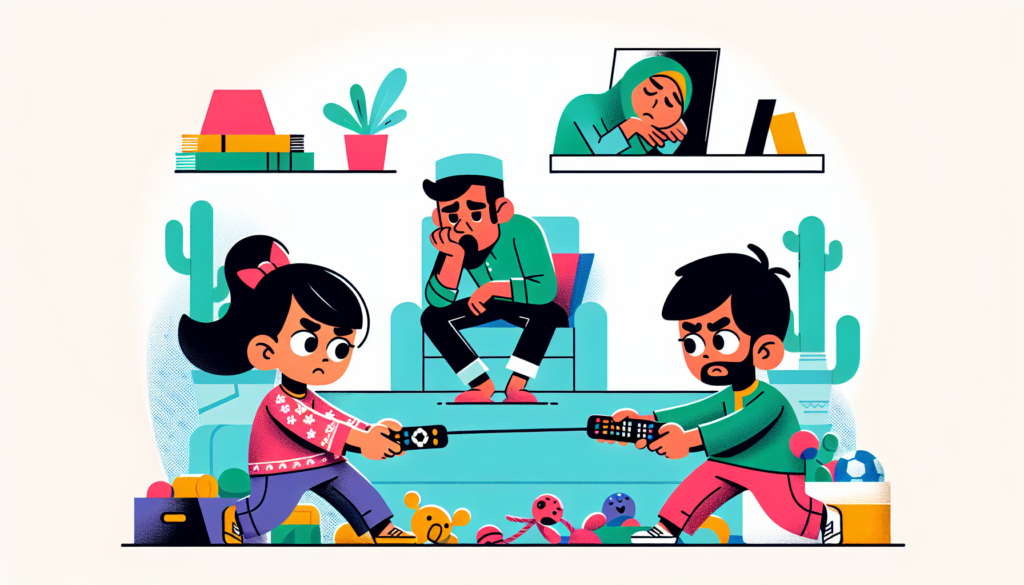
You grew up with them. Same parents, same house, maybe even the same bedroom. And yet the fighting was relentless — over toys, over the remote, over who looked at who the wrong way. As adults you might be close, but as kids it sometimes felt like living with an enemy. I don’t get it.
The AI Analysis
Sibling conflict isn’t random or irrational — it follows predictable patterns rooted in psychology, development, and the unusual nature of the sibling relationship itself.
- Competition for a finite resource — Parental attention, affection, and approval are limited. Siblings are, from the start, competing for the same supply. That competition is instinctive, not chosen, and it runs underneath almost every other conflict.
- No escape route — Unlike friendships, sibling relationships are involuntary and inescapable. With a friend, you go home after a fight. With a sibling, you are home. That removes the usual social pressure to stay polite.
- The bond is safe enough to fight in — Children reserve their worst behavior for people they feel most secure with. Siblings know, on some level, that the relationship will survive the conflict. That security actually enables more fighting, not less.
- Different developmental stages create real friction — A 6-year-old and a 10-year-old have genuinely different needs, maturity levels, and frustration tolerances. They’re not just different people — they’re at fundamentally different stages of being human.
- Parental comparisons add fuel — “Why can’t you be more like your brother?” is one of the most effective ways to generate lasting resentment between children who otherwise might have gotten along fine.
- It’s also how conflict skills get learned — The family home is where children first practice arguing, negotiating, and recovering from falling out. Siblings are the training ground for every adult relationship that follows.
The Takeaway
Sibling fighting is not a sign of a broken family — it’s the predictable friction of shared space, competing needs, and a bond secure enough to absorb the fallout. Most of what looks like conflict is children learning to advocate for themselves, negotiate with others, and process strong emotions in the one relationship where they know they won’t be abandoned for it. What do you think drives sibling conflict most?